
Page Summary
- Semantic SEO is context- and intent-based optimization that leverages relationships among words, entities, and concepts to improve relevance and search visibility beyond keyword matching.
- Core methods covered: entity optimization, intent-led semantic keyword research, structured data markup using schema, contextual content depth, plus user experience factors like load speed, mobile friendliness, navigation, and engagement signals.
- FAQ section answers common questions on semantic vs traditional SEO, local business benefits, structured data impact on rich results and knowledge graphs, voice search alignment, expected timeline for results, and whether to DIY or use an SEO agency, plus a Salterra trust section noting the company has operated since 2012 under Terry and Elisabeth Samuels with a family and staff team delivering web design, graphic design, and internet marketing.
Why Semantic SEO Matters Today
Search engines no longer match words — they interpret meaning. Semantic SEO ensures your content makes sense to search engines by leveraging context, relationships, and signals beyond exact keywords.
When done well, semantic optimization helps you rank for a broad set of related queries, appear in featured snippets or AI summaries, and create content that genuinely answers users’ questions. Here’s how Salterra uses a semantic strategy to build authority and sustainable SEO outcomes.
Core Concepts of Semantic SEO
Semantic SEO revolves around a few key ideas that shift the focus from word matching to meaning.
Entities & Concepts Over Keywords
When you mention people, places, brands, or techniques, they become entities. Google, Bing, and others use these entities (with relationships) to understand your topic more deeply.
For example, “Salterra,” “schema markup,” “semantic SEO,” or “search intent” are all entities that help define context.
Intent & Contextual Relevance
Every search term has an underlying user intention: to learn, buy, compare, or find locally. Semantic SEO drills into intent, so content answers the why behind users’ questions rather than just matching words.
Topic Clusters & Supporting Content
Instead of a bunch of independent pages, semantic SEO builds clusters: one main “pillar” page surrounded by supporting articles that link and expand on related subtopics. This web of content helps reinforce entity connections.
Structured Data & Markup
Schema markup (FAQ, Article, LocalBusiness, Product, etc.) provides search engines with explicit signals about the meaning of your content. It’s an essential component of semantic SEO — like labeling a box in a warehouse so robots know what’s inside.
Co-Occurrence & Word Proximity
Search systems examine which words frequently co-occur and how closely they are. Mention related terms near each other (e.g., “semantic relationships,” “entity graph,” “content clusters”) to reinforce meaning.
How to Build a Semantic SEO Strategy
Here’s a step-by-step plan you can follow (or hand to Salterra) to implement effective semantic SEO.
Entity Mapping & Knowledge Graph Planning
List your key entities: your brand, services, tools, industry terms, and locations. Map how they relate to each other.
Keyword + Semantic Expansion
Run keyword research, then expand into LSI and related phrases. For example, “semantic SEO tools,” “entity optimization,” “contextual markup.”
Pillar & Cluster Structure
- Build a core page (semantic SEO) and several supporting posts (e.g. “entity SEO,” “schema for semantic search,” “topic clustering”).
- On-Page Semantic Optimization
- Use headings that reflect concept structure
- Embed internal links linking related entities & topics
- Spread out semantic LSI terms (don’t cram them)
- Use images with descriptive alt text and filenames tied to entities
Schema / Structured Data Implementation
Add FAQ schema, article schema, or local business schema where relevant to make your meaning explicit to search engines.
Content Enrichment & Updates
Update older pages with new entity terms, clarify context, add new subtopics, and refine intent coverage as you learn from analytics.
Monitor & Adjust
Use analytics and search console data to see which terms you’re ranking for, how users interact, and where meaning gaps exist. Then iterate.
Semantic SEO in Voice, AI & Rich Results
Modern search environments (voice assistants, AI summaries, featured snippets) favor content that’s well-structured, context-rich, and clear.
Semantic SEO is the bridge.
- Voice Search: Voice queries tend to be long, conversational, and question-based. Use semantic content and entity context to answer them best.
- AI Summaries / Overviews: Search engines pull short answers from well-structured content — semantic signals help them pick your content.
- Rich Results: Schema and entity alignment increase your chances of appearing in rich cards, knowledge panels, FAQ snippets, or other enhanced SERP features.
If your content is semantically rich, well-linked, and clearly structured, you increase your chances of appearing across these modern formats.
Frequently Asked Questions About Semantic SEO
If you want your site to rank not just for keywords, but for meaning, Salterra’s semantic SEO methods are your ticket. We combine entity mapping, content architecture, and structured data to help search engines understand your site — and reward it with visibility. Schedule a semantic optimization audit today and turn your content into a ranked entity network.
Why Trust Salterra Digital Services
Salterra Digital Services is a leading digital marketing agency specializing in a full suite of services designed to elevate your brand and grow your business. With a laser focus on delivering exceptional results, Salterra has cultivated a reputation for excellence in the field.
Meet the Founders: Terry and Elisabeth Samuels
Terry and Elisabeth Samuels, the founders of Salterra, have over two decades of combined experience in digital marketing. Their passion for helping businesses succeed fuels the constant innovation and top-notch service that Salterra is known for.
Terry Samuels leads Salterra’s Digital Marketing Division, which has sons Skyler and Brandon Samuels and a carefully curated staff of SEO Specialists. Elisabeth Samuels leads the Salterra Design and Development Division with her daughter Moraelin Bundy and her staff of project managers, designers, and full-stack developers.
🚀 Salterra’s Core Digital Marketing Services
- Search Engine Optimization (SEO): We don’t just rank websites—we build visibility that gets results. Our SEO strategies combine technical audits, high-impact content, and local dominance to make your brand impossible to ignore.
- AI-Optimized Content & Search Visibility: Harness the power of AI to fine-tune your website content, improve user intent targeting, and stay ahead of search engine algorithm shifts. From smart keyword strategy to content scoring, we future-proof your online presence.
- PPC Advertising (Google & Bing Ads): Get in front of the right people at the right time with strategic, ROI-driven paid advertising campaigns. We handle everything from keyword selection to ad copy and conversion tracking.
- Email Marketing & Automation: Drive more leads with behavior-based email workflows, lead-nurturing campaigns, and re-engagement funnels that convert your list into loyal customers.
- Brand Strategy & Identity: We help you define your brand’s personality, tone, and visual identity—creating a memorable, consistent look across all platforms that builds trust and recognition.
- Content Strategy & Creation: From blog posts to landing pages and gated lead magnets, we create high-performing content that educates, builds authority, and converts readers into paying clients.
- Social Media Branding & Engagement: Build a real connection with your audience. Our tailored social strategies increase reach, engagement, and trust, turning followers into fans and customers.
- Custom Web Design & Development: Your website is your first impression. We build beautiful, high-converting websites focused on user experience (UX), fast load times, and mobile-first functionality.
- Reputation Management & Reviews: Protect and promote your brand’s credibility with proactive review management, reputation monitoring, and engagement strategies powered by tools like LeadSnap.
- SEO University by Salterra: Our online training platform teaches agency owners, freelancers, and business owners the fundamentals of modern SEO, with live Q&A and step-by-step blueprints.
- SEO Spring Training Conference: Join Salterra’s annual SEO and digital marketing event, which features expert speakers, live workshops, and mastermind sessions for businesses and professionals worldwide.
Location:
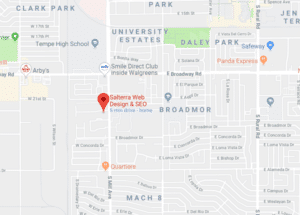
Worldwide Reach from Gilbert, AZ: Though based in Gilbert, Arizona, Salterra serves a global clientele and extends its world-class services to businesses worldwide.
Connect With Us:
Phone: 602-641-9797
Email: info.salterra@gmail.com
Socials: Facebook | Twitter | LinkedIn | YouTube