
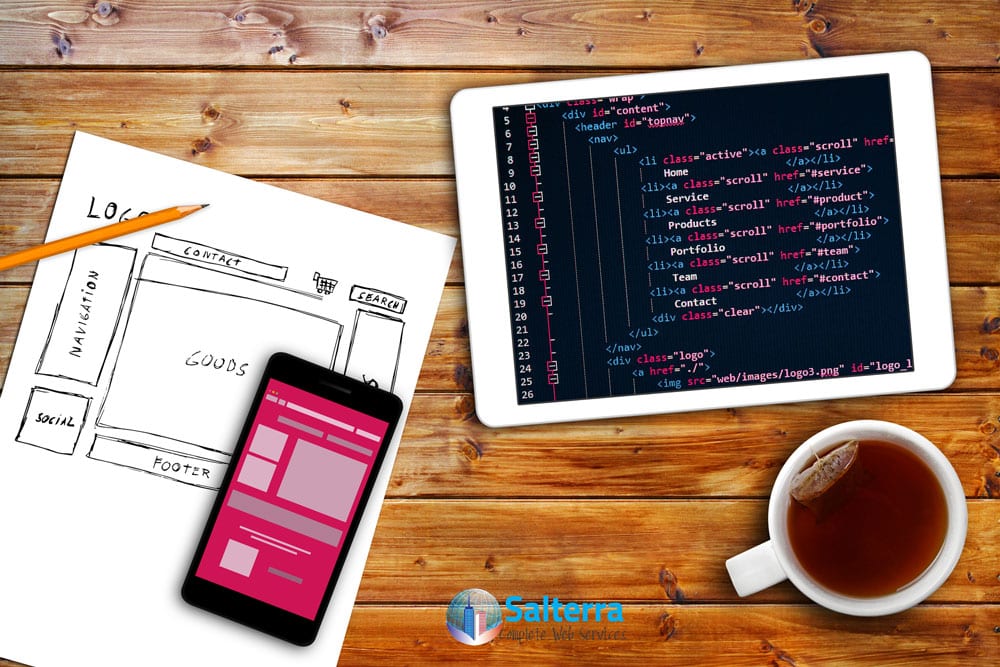
- Defines Advanced Schema as enhanced structured data that connects entities and improves how search engines interpret complex website information.
- Boosts SEO visibility by enabling rich results (FAQ, Reviews, Products, LocalBusiness, etc.) and improving click-through rates through visually enhanced SERPs.
- Strengthens entity relationships within Google’s Knowledge Graph to improve topical authority and content trust signals.
- Uses JSON-LD format for implementation, validated through Schema.org guidelines and Google’s Rich Results Test.
- Salterra’s expertise lies in mapping entity data, customizing nested schema structures, and aligning markup with advanced on-page SEO strategies.
Advanced Schema Markup: The Secret for Higher SEO Rankings
In today’s ever-evolving digital landscape, it’s not just about having an online presence; it’s about having a compelling one. It’s about standing out, making your mark, and climbing to the top of search engine results pages (SERPs). The secret weapon to making that happen? Advanced Schema Markup.
Transform Your SEO Game with Advanced Schema Markup
Schema Markup, also known as structured data, enhances your website’s SEO performance. It helps search engines understand your content better, enhancing SERP visibility and rich snippets that catch user attention. But it’s not just about the basics – advanced schema markup takes things to the next level.
Advanced schema markups, such as Product, Review, Local Business, and FAQ schema, provide search engines with a more detailed understanding of your content. The result? You gain an edge over competitors with similar content but lack the added layer of knowledge that schema provides.
Unlock Higher Conversions with Advanced Schema Markup
But it’s not just about SERP visibility. Implementing advanced schema markup can significantly boost your conversions too. When search engines better understand your content, it’s presented more effectively to users. Rich snippets featuring ratings, prices, or availability help users get a snapshot of what they can expect from your site. This high-quality information, presented at a glance, encourages users to click through, thereby increasing your traffic and conversions.
Making Advanced Schema Markup Work for You
Implementing advanced schema markup might seem daunting, but its benefits to your SEO rankings and conversions are undeniable. And you don’t have to navigate these waters alone. With a deep understanding of how schema works and the nuances of various schema types, our team at Salterra can guide you. We will help you leverage advanced schema markup, tailoring a strategy unique to your business and its specific goals.
With the correct implementation of advanced schema markup, you can enhance your SEO rankings and position your business for sustained online success. Start your journey to the top of SERPs today with advanced schema markup.”
Advanced Schema Markup by Salterra Digital Services
A website schema, often called Schema Markup or Structured Data, is a standardized way of organizing and presenting information on a website so that search engines can better understand its content. It is a semantic vocabulary based on the Schema.org project, a collaboration between major search engines like Google, Bing, Yahoo, and Yandex.
By incorporating website schema into your site’s HTML, you provide search engines with additional context about the type of content on your pages. This can help search engines display more informative and relevant search results, often in rich snippets or knowledge graph entries.
Several formats for implementing schema markup include JSON-LD (JavaScript Object Notation for Linked Data), Microdata, and RDFa (Resource Description Framework in Attributes). JSON-LD is the most popular and recommended format due to its simplicity and ease of use.
A website schema may cover a wide range of entities, such as:
- Organizations: Businesses, NGOs, schools, etc.
- People: Personal profiles or public figures.
- Events: Conferences, concerts, festivals, etc.
- Products: Physical or digital goods with information about price, availability, etc.
- Reviews: Ratings and feedback about products or services.
- Articles: Blog posts, news articles, scholarly papers, etc.
- Recipes: Ingredients, cooking instructions, and nutrition information.
- Videos: Metadata about video content like duration, thumbnail, and transcript.
To implement schema markup on your website, follow these steps:
- Identify the type of content you want to mark up.
- Choose the appropriate schema vocabulary from Schema.org.
- Use a structured data format (JSON-LD, Microdata, or RDFa) to add the markup to your website’s HTML code.
- Test your markup using a structured data tool like Google’s Rich Results Test or the Schema Markup Validator.
- Monitor your search engine rankings and rich snippet performance to measure the impact of the schema markup.
By leveraging website schema, you can improve your site’s search engine visibility, provide users with more informative search results, and potentially increase click-through rates and user engagement.
What are the advantages of using schema markup?
Using Schema Markup on your website can provide several advantages:
- Improved search engine visibility: By giving search engines additional context about your content, Schema Markup can help improve your site’s visibility and indexing in search engine results pages (SERPs).
- Rich snippets and enhanced search results: Implementing Schema Markup can lead to the display of rich snippets or knowledge graph entries, which can make your site stand out in search results. Rich snippets provide users with additional information about your content, such as ratings, images, or event dates, making your search results more attractive and informative.
- Increased click-through rates (CTRs): Rich snippets make your search results more appealing, making users more likely to click on your site. This can lead to increased click-through rates, driving more traffic to your website.
- Better user experience: Schema Markup helps users find the information they’re looking for more quickly and efficiently by displaying more informative search results. This can lead to a better overall user experience, increasing user satisfaction and potentially encouraging users to spend more time on your website.
- Competitive edge: If your competitors are not using Schema Markup, implementing it on your website can give you a competitive advantage by making your search results more informative and attractive to users.
- Voice search optimization: As voice search becomes more popular, Schema Markup helps search engines understand and present your content more accurately in voice search results. This can help you stay ahead in the growing voice search market.
- Easier content discovery: Schema Markup enables search engines to categorize your content better, making it easier for users to discover relevant information on your website through search engines.
- Improved local SEO: For businesses with physical locations, implementing Local Business Schema Markup can help enhance their local search rankings, making it easier for users to find them in local search results.
It’s important to note that while Schema Markup can provide these advantages, it does not guarantee improved search rankings. Maintaining high-quality content and adhering to SEO best practices are crucial to ensure your website’s success.
Can Google, Yahoo, and Bing Search Engines Read Schema Markup?
Yes, Google, Yahoo, and Bing can all read Schema Markup. Schema.org, the standardized vocabulary for Schema Markup, was created as a collaborative effort between major search engines, including Google, Bing, Yahoo, and Yandex.
All these search engines recognize and support using Schema Markup to provide structured data and context about your website’s content. By implementing Schema Markup, you can help search engines better understand your content, improving visibility, more informative search results, and potentially higher click-through rates.
However, it’s essential to ensure that you follow the guidelines provided by each search engine and implement Schema Markup correctly to maximize its effectiveness. Also, remember that while Schema Markup can help improve search results, it is not a guarantee for better rankings, as search engines consider various factors when determining search rankings.
Check Out Our Advanced Schema YouTube Channel Playlist to Learn Advanced Schema Markup by Terry Samuels.
FAQs About Advanced Schema
Advanced Schema Guides and Tips

Nested Schema Markup: Unlocking Complex Data Relationships
Structured data is essential for improving search engines' interpretation of your content, and Nested Schema Markup takes this to the next level. By creating hierarchical relationships between data points, nested schemas give search engines a deeper [...]

How to Use FAQ and HowTo Schema to Dominate Voice Search
Voice search is transforming the way users interact with search engines. With the rise of smart devices like Google Home and Amazon Alexa, optimizing your content for voice queries is more important than ever. You can improve your content's visibili [...]

Top Schema Types for E-commerce: Boosting Sales with Advanced Markup
For e-commerce websites, Schema Markup enhances product visibility, improves user experience, and drives more sales. Advanced schemas like Product, Review, and Offer provide search engines with detailed information about your products, enabling them [...]

Visualizing JSON-LD Implementation for Advanced Schema
Schema Markup is essential for improving search visibility and user experience in SEO. Among the various formats, JSON-LD (JavaScript Object Notation for Linked Data) is the preferred method for implementing schema, offering flexibility and simplici [...]