Web Design for Medical Spas Page Summary
- Custom Medical Spa Website Design: Salterra creates high-converting websites tailored to medical spa brands, focusing on responsive design, intuitive UX, and professional aesthetic appeal that reflects your clinic’s services.
- Integrated Booking & Lead Generation: Sites include built-in scheduling systems, consultation forms, and conversion funnels to streamline patient inquiries and increase online appointments.
- SEO-Ready Development: Every med spa website is structured with schema markup, on-page SEO, and entity optimization for services like CoolSculpting, Emsculpt, and Morpheus8 to improve local and national visibility.
- Visual Storytelling & Brand Identity: Before-and-after galleries, service pages, and brand imagery are optimized for both engagement and search, helping visitors connect emotionally with your spa’s results.
- Ongoing Maintenance & Growth: Salterra provides hosting, updates, and performance tracking to keep your medical spa website secure, mobile-friendly, and ranking at the top of search results.
- Experience the Distinction: Your Trusted Web Design Service Provider
In today’s digital era, having a dynamic, user-friendly website is no longer a luxury—it’s a necessity. As an expert web design company, we understand the importance of delivering a website that embodies your brand’s personality, engages your audience, and drives conversions.
Brand-Focused UX Design & Conversion Architecture for Med Spas
Choosing us as your web design company means opting for excellence and expertise. Here are compelling reasons why we can be your ultimate web design partner:
Creating Unique and Engaging Websites
We believe that your website should be as unique as your business. Hence, we provide customized web design solutions tailored to your brand and business goals. Our talented web designers work meticulously to craft engaging, user-friendly websites that captivate visitors and convert them into customers.
Focus on User Experience (UX)
In Med Spa web design, user experience is paramount. Our team adopts a user-centric design approach, ensuring your website is aesthetically pleasing, easy to navigate, fast-loading, and mobile-responsive. This focus on UX results in higher user engagement, lower bounce rates, and increased conversions.
Integration of SEO Best Practices
Our web design process doesn’t end with aesthetics and functionality. We ensure your website is SEO-friendly, integrating SEO best practices into the design and development process. This enhances your website’s visibility in search engine results, leading to increased organic traffic and conversions.
Transparent and Collaborative Approach
We believe in working closely with our clients. From the initial conceptualization to the final delivery, we keep you informed at every step of the design process. Our commitment to transparency means no hidden surprises, only outstanding results.
As a premier web design company, we combine creativity with technology to deliver a website that boosts your online presence and helps you achieve your digital objectives. Let us help you create a powerful online identity and grow your business.
Web Design vs. Web Development
Whether you’re interested in web design or web development, there are several key factors to consider. These factors include the type of user interface (UI) and user experience (UX) you are looking for, the scope of your project, and your budget. These factors will help you decide whether you need to hire a web designer or a web developer.
UX Design
- UI/UX design and web development are two professions that can be highly rewarding. They are both creative and fast-paced, requiring close attention to detail.
- UX design focuses on the customer’s needs, while web development concerns the structure and design of a website. Both are necessary for creating a quality user experience. However, the differences between the two can be confusing.
- UI/UX design involves creating a visually appealing user interface. This includes adjusting images, fonts, and other colors to ensure a consistent visual appearance. Web developers build the underlying code that enables an interface to function.
- UX design utilizes tools such as information architecture, content curation, and usability testing to create products that address specific needs and meet user expectations. It’s also concerned with eliciting emotions from users throughout the entire experience. The key to a successful UX is foresight.
- UX design is a multidisciplinary field that requires extensive knowledge of psychology and visual design. It also requires an understanding of human behavior and a deep understanding of the client’s needs.
UI Design
- UI design and web development share some similarities, but also have distinct differences. Understanding their differences can help you make more informed design decisions and communicate effectively with your team. If you’re considering a career in UI design and web development, consider these differences before making your final decision.
- While web development is a more technical profession, UI design is more artistic. UI design involves creating the aesthetics and feel of an interface. UI design consists of creating screens, typography, and sounds.
- UI design also involves a user’s experience, whereas web development consists in creating the underlying code that makes an interface work. Understanding the differences between these two areas can help you create a beautiful and intuitive product.
- UI design and web development share similar areas of knowledge and skill, but they serve different purposes. For example, UI design can incorporate elements such as gamification. Gamification is a design approach that makes your product more fun to use.
SEO-Integrated Web Development & Mobile Optimization for Aesthetic Clinics
Unlike the back end, the user sees the front end in the browser. It is the structural skeleton of a website, establishing its overall structure. The front end also provides the user with information. Its interface should be user-friendly. Ideally, the front end should load quickly and respond to user actions. If the front end is unfriendly, users may leave the site.
The back end refers to the programming that is hidden behind the scenes. It encompasses the server, database, and application. The back end also includes complex logic that enables the site to perform specific tasks. These developers use APIs that will allow the website to interact with other services and resources. The back end of a website includes the database, which is like a vast Excel spreadsheet.
Back-end development is crucial for a website’s overall performance. The back end works in conjunction with the front end to ensure that the website functions correctly and can be accessed efficiently.
Specialties
Choosing the right specialization in web design vs. web development can be daunting. You must choose wisely. The wrong choice can set back your professional development timeline. Selecting a poor specialization can also lead to missing a valuable career opportunity.
A web designer creates a website’s overall appearance and user experience. They may also be responsible for maintaining the site after it launches. Web designers use various tools, such as visual editors like Photoshop or InVision Studio. They may also use templating services. They work closely with web developers. Web developers build websites using coding libraries, frameworks, and code versioning tools. Web developers are also responsible for identifying problems with functionality and layout. They can also fix technical issues in the product.
Web designers focus on the visual aspects of a website. They are responsible for creating icons, interface buttons, and call-to-action layouts. They also develop mockups and prototypes to test ideas. Then, they send prototypes to developers for coding.
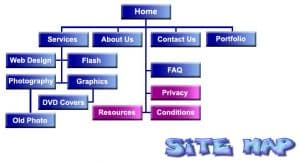 The difference between web development and web design can seem confusing. From a business perspective, the two may seem synonymous. However, these two terms have distinct roles in the website-building process.
Web design includes a website’s usability and aesthetics—the “carpet and drapes” of the site. A designer will use various design programs to create the visual elements and the website’s layout. On the other hand, a web developer will take a website design and produce an actual functioning website. A website developer will use CSS, HTML, JavaScript, PHP, and many other programming languages to bring the design files to life.
Let’s begin by taking a closer look at web design. A web designer will start by considering a client’s website objectives. The designer will then proceed to an information architect, who will set up a website’s informational content and help guide the design process. He/she follows this up by creating “wireframes” and then proceeding to the design stage. A web designer employs a range of fundamental design principles to create an aesthetically pleasing layout.
There are specific design principles required for any website design. These principles include balance, contrast, emphasis, consistency, and unity. For example, with credit, the designer must create a layout that balances visual weight and contrast. The designer will often use a combination of heavy and light. “Heavy” refers to dark colors and large portions, while “light” refers to lighter colors and smaller portions. Achieving a balanced website design that incorporates both heavy and light proportions is crucial for maintaining thematic consistency.
The designer will use contrasting textures, sizes, and shapes to draw attention to specific sections of the website. This consistency, also known as “rhythm” or “repetition,” is a critical web design principle that helps provide an exceptional experience for any website visitor. Unity brings the various parts of a website layout together, allowing the human brain to visually organize important information by grouping elements into understandable, relatable categories.
 Let’s now continue by taking a closer look at web development. A web developer may often be referred to as a “programmer.” They will take the creative design and construct a fully functioning website. It may be easier to understand this by imagining that the design is the website’s picture. A web developer will then dissect that design or picture into components. Finally, the programmer will complete the project by using a programming language to develop the website pages, enabling them to communicate effectively with one another and with the user.
With web design and development experience, Salterra Digital Services is uniquely qualified to help you achieve your maximum potential through your web presence. Contact us today to schedule a consultation and review our portfolio.